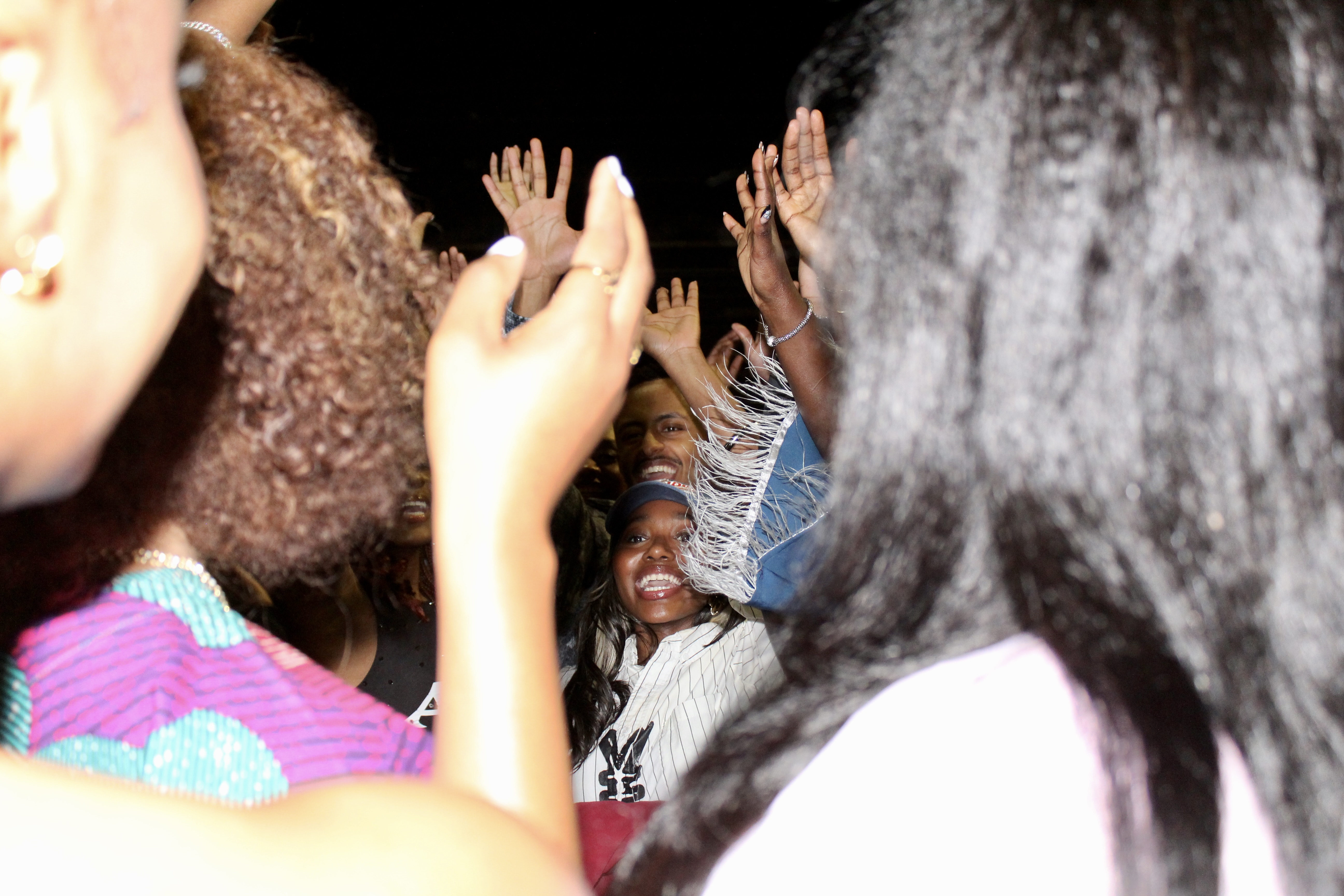
The way people clothe themselves, together with the traditions of dress and finery that custom implies, constitutes the most distinctive form of a society’s uniqueness… It is by their apparel that types of society first become known, whether through written accounts and photographic records or motion pictures.
—Frantz Fanon, A Dying Colonialism
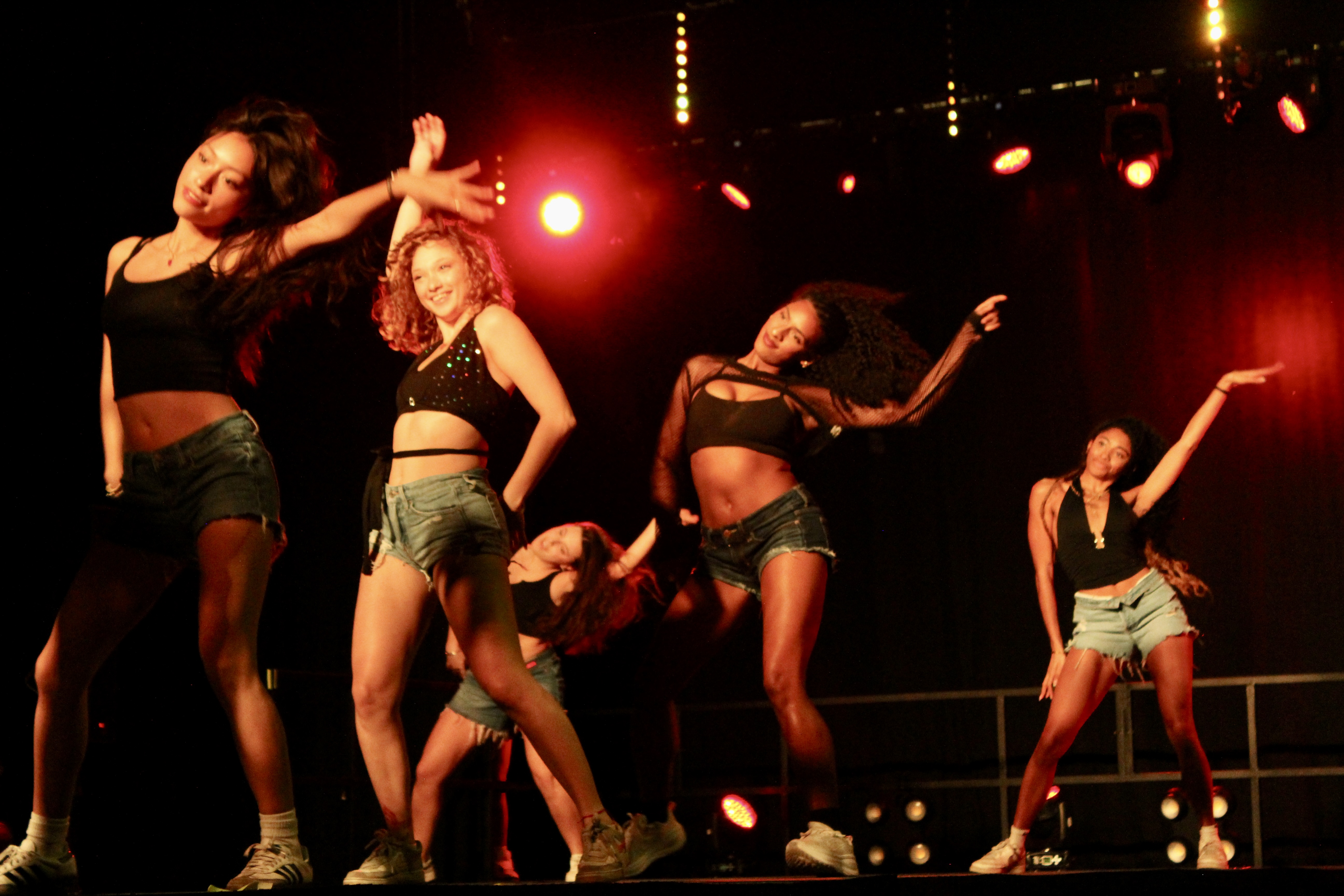
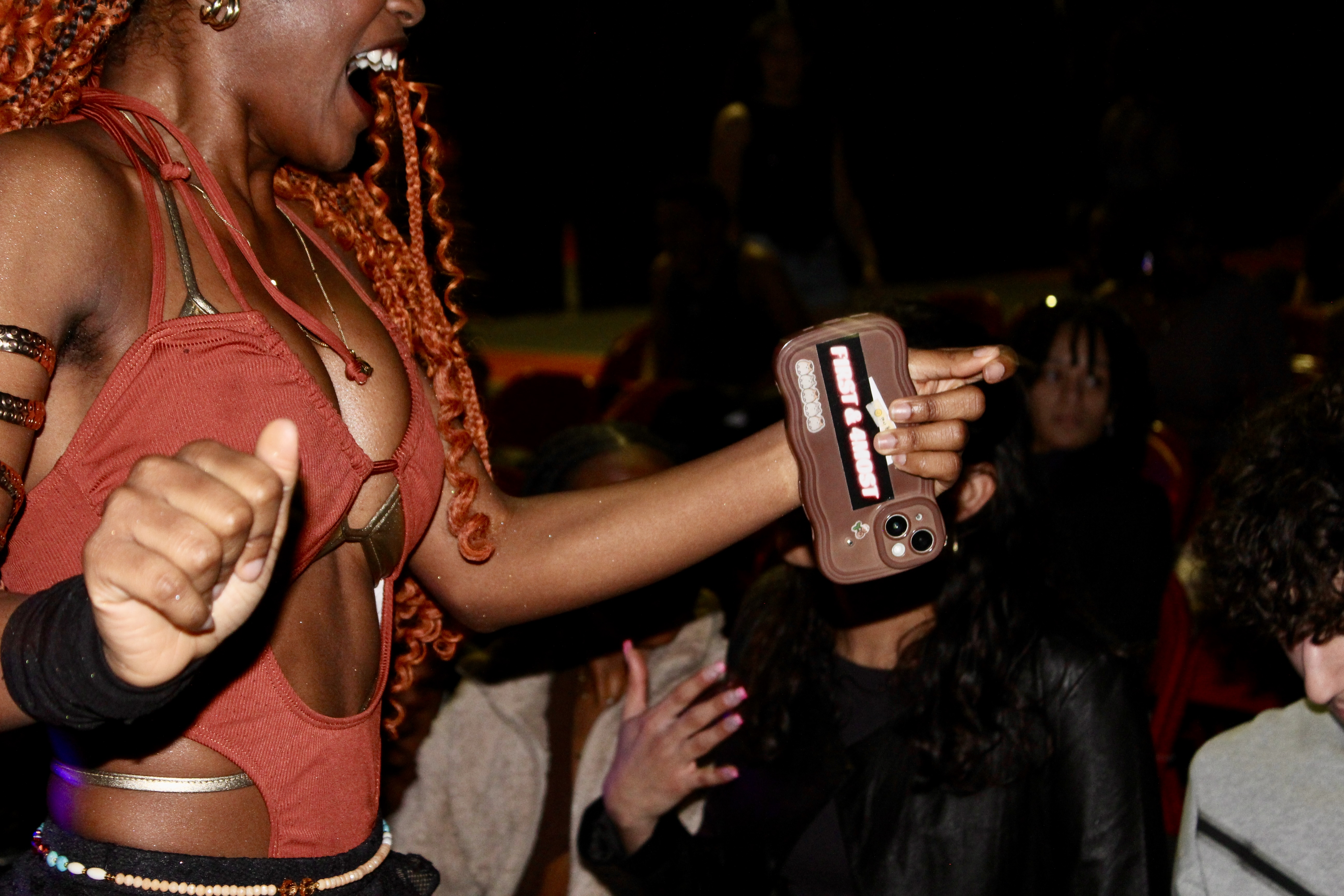
If fashion is the way a society becomes known, then AFRIK—Cornell’s only Pan-African fashion show—is a way for Cornell’s Black community to imprint itself onto Cornell’s higher fashion scene. The 21st annual rendition of AFRIK, on February 28th, maintained its prior levels of theatricality. Cultural groups performed highly choreographed performances of song and dance alongside models who walked collections by professional and student designers.
The theme for the 2026 show was The Reawakening. According to Cornell’s Pan-African Student Association—which hosts the event—The Reawakening show seeks to enter AFRIK into “A new era not to rebuild what was, but to reignite what has always lived within us.”
Though the show itself was characteristically electric, I couldn’t help but wonder about the future of Cornell’s Black community on one of its most important nights. Since the Supreme Court overturned affirmative action in the summer of 2023, Cornell’s Black student population has dropped to its lowest levels in years.
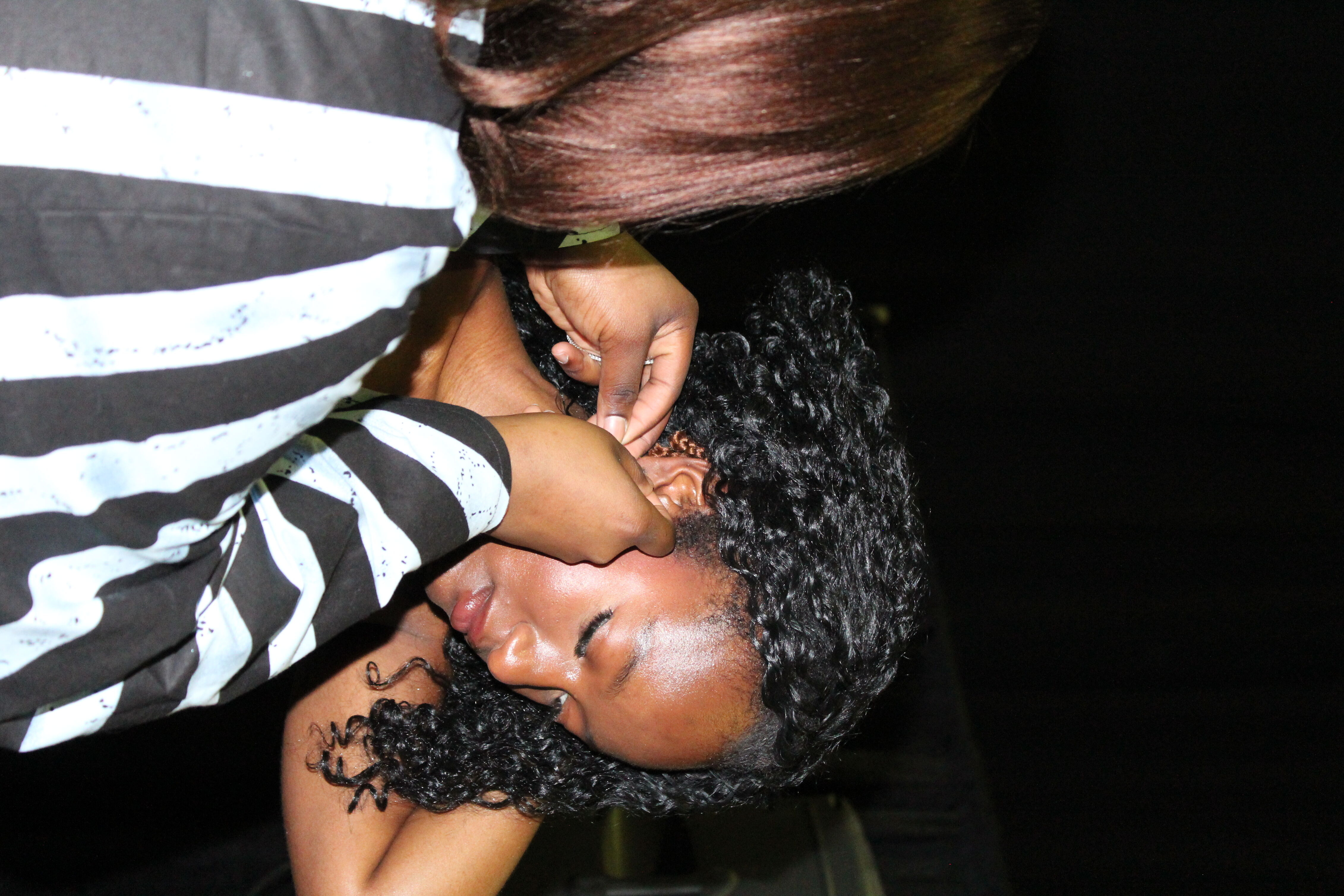
By the time I arrived, about an hour before the show, the dozens of people behind the runway had spent their entire day getting ready for the night. In front of me stood a legion of fold-up tables, each holding an army’s worth of bags, lotions, oils and perfumes. Designers and stylists flipped through their looks and various accessories, models prepared their walks, and organizers scanned tablets and strategized with technical staff. Incredibly loud music—mostly trap and afrobeats—pierced the air intermittently for what were presumably speaker checks.
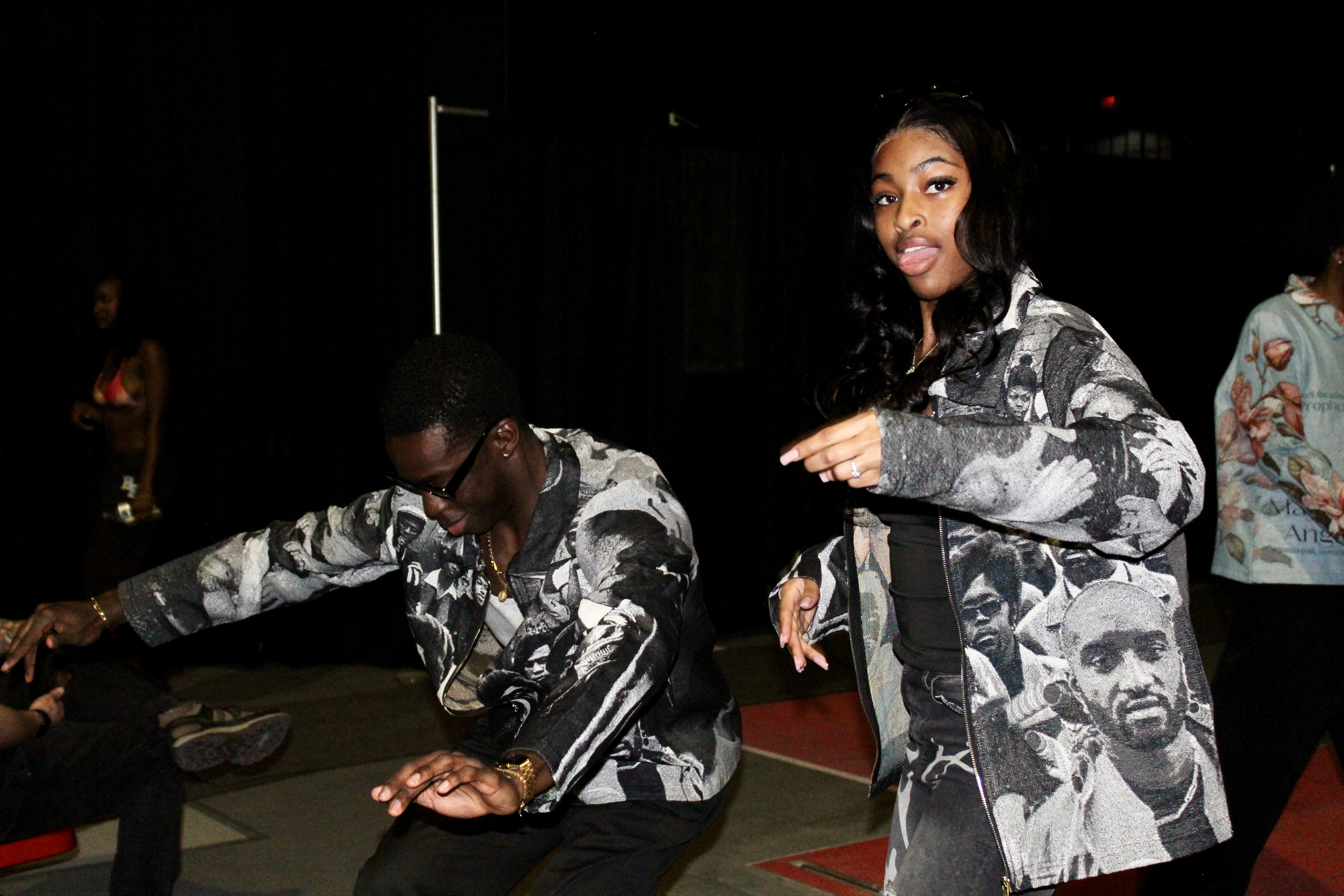
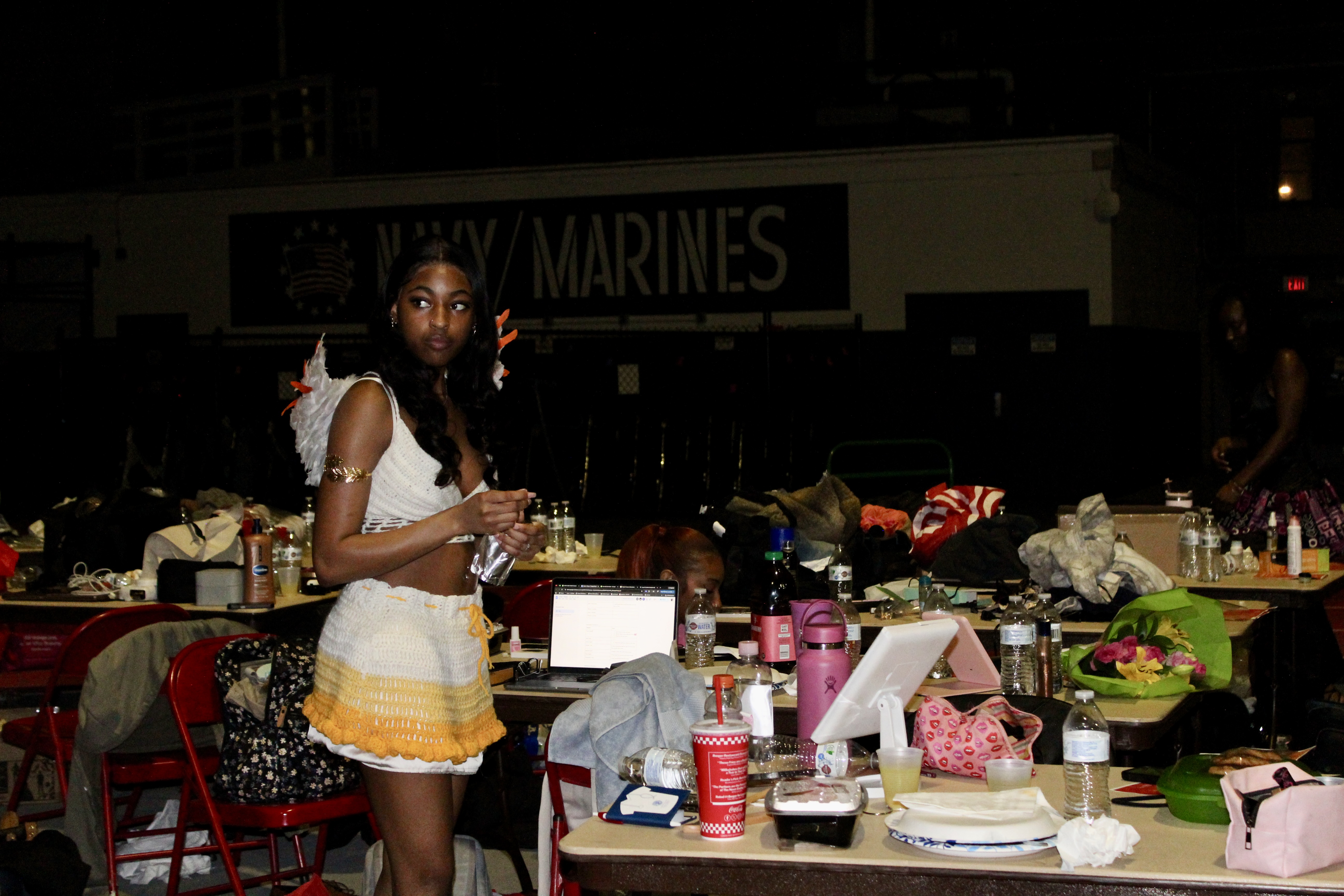
“I have to direct the custodian workers on how to set the stage up. Then I have to have the models run through each line, make sure the clothes are in order, make sure that the designers arrive on time. It's been very hectic, but hopefully it'll be well worth it.” Sianne D'Abreau, Vice President of PASA told me. According to D’Abreau, organizing AFRIK required rehearsal “Every single day of the week except Sunday for a month straight.”
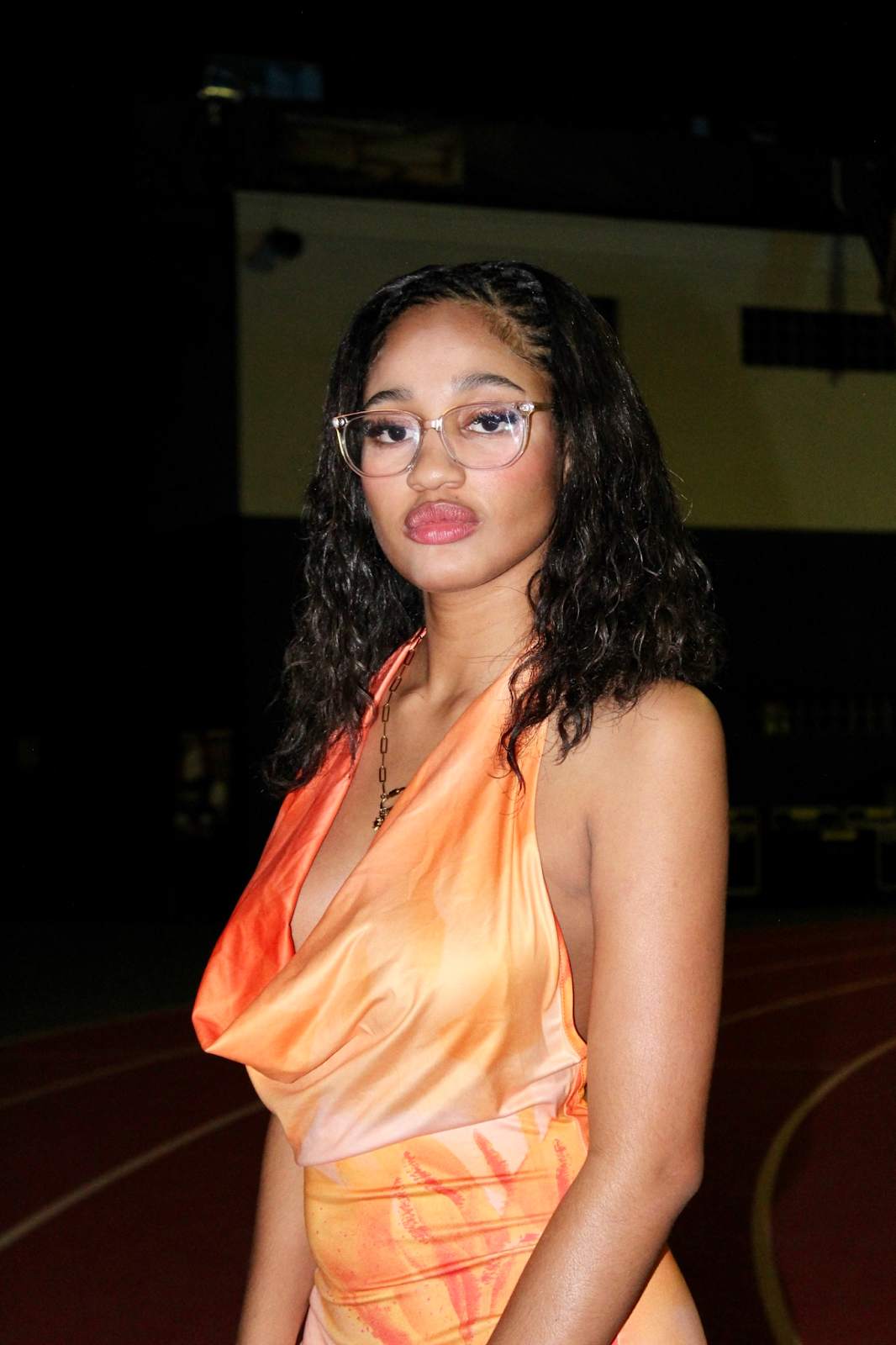
AFRIK’s organization involves coordinating dozens of players months in advance. Student models are cast in November, with student designer applications ending at the end of February. Student leaders told me that informal planning for the subsequent year’s AFRIK starts immediately after the show ends.
PASA’s President, Selsa Mertami, who was adorned in a bright, body-hugging orange gown, called everyone working AFRIK up for a pre-show speech. Models needed to ensure they held their poses and did not rush through their walks. Women’s fitting room on the right, men’s on the left. Make sure you know what side of the runway you’re on so people aren’t yelling after you.
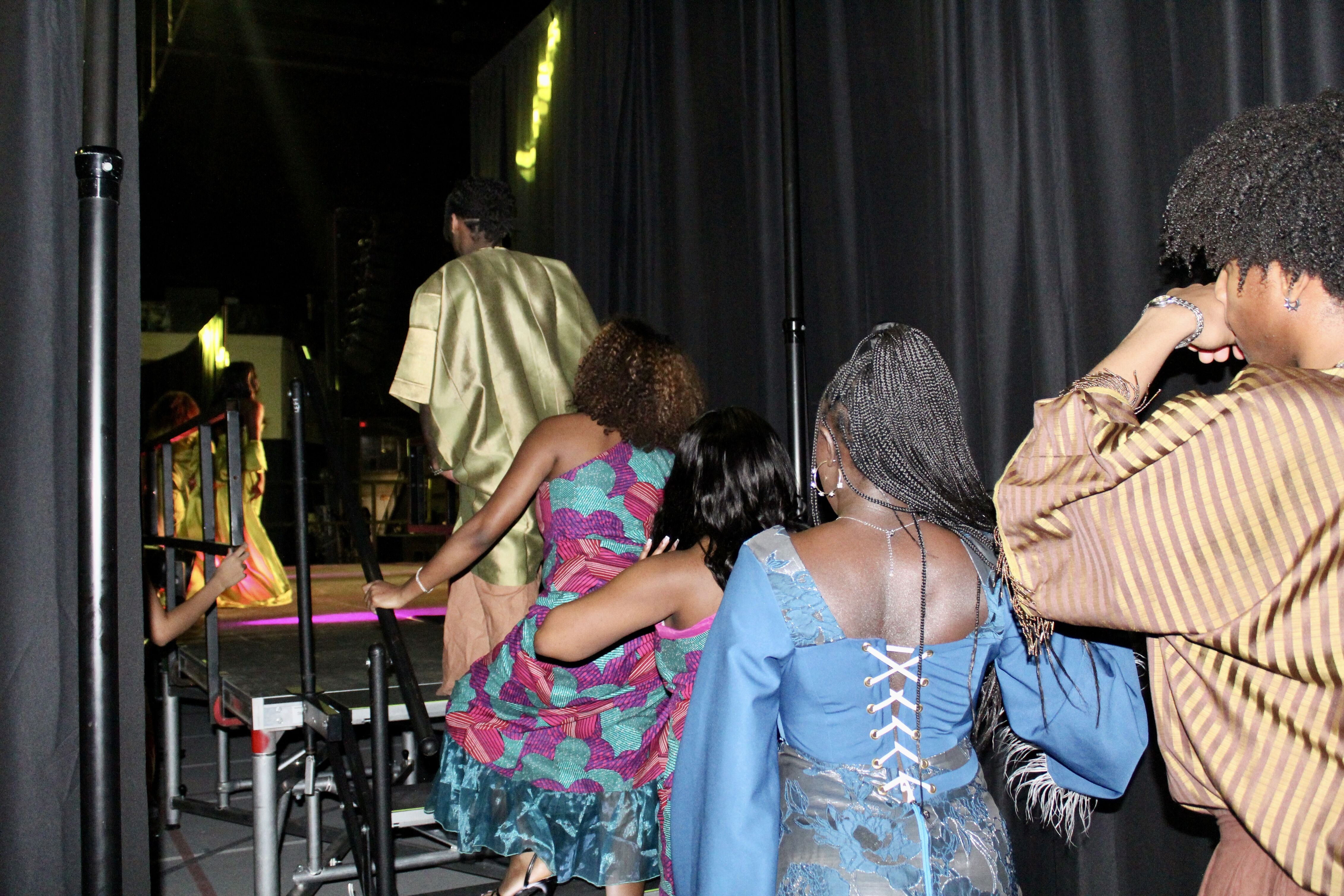
“If you need help with anything, make sure you’re screaming!” Mertami instructed. “The doors are about to open. Thank you, guys. I know you're gonna do a really great job.”
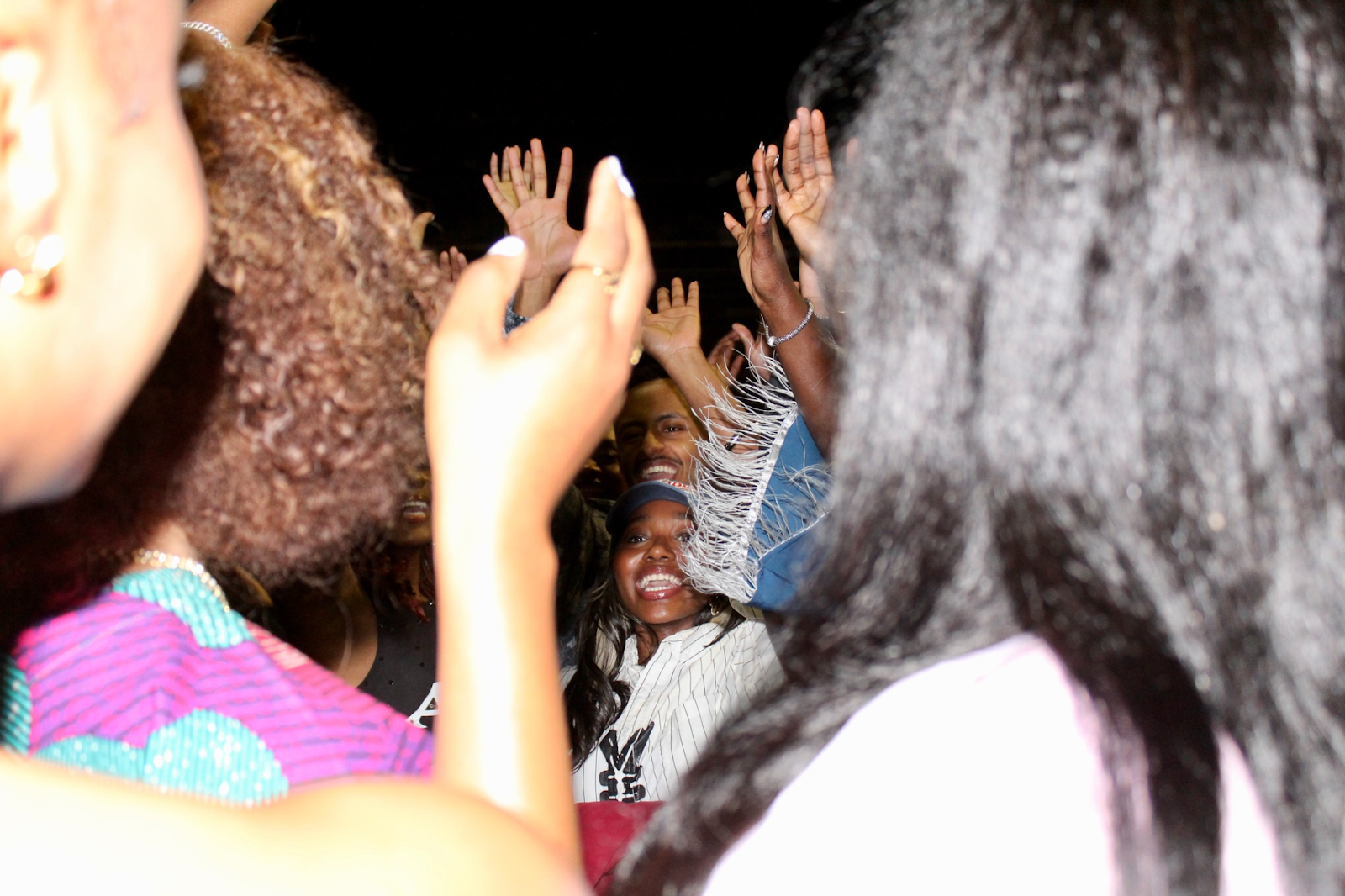
Then, everyone put their hands together.
“One, two, three, AFRIK!”
.JPEG)
Goretti is a senior information sciences major and a business minor who also runs a crochet apparel side hustle where she makes anything from durags to tube tops. This year’s AFRIK was the first time Goretti would show off her line on the runway.
“I'm really nervous, but like I'm trying to convert that nervous energy into excitement,” Goretti told me, offering an anxious grin. The designer wore some of her own prior work, including a rose flower crown and red bolero top. “My style is very much influenced by the earthy Black girl aesthetic, but also a little bit of streetwear as well. That’s what you can expect to see tonight.”
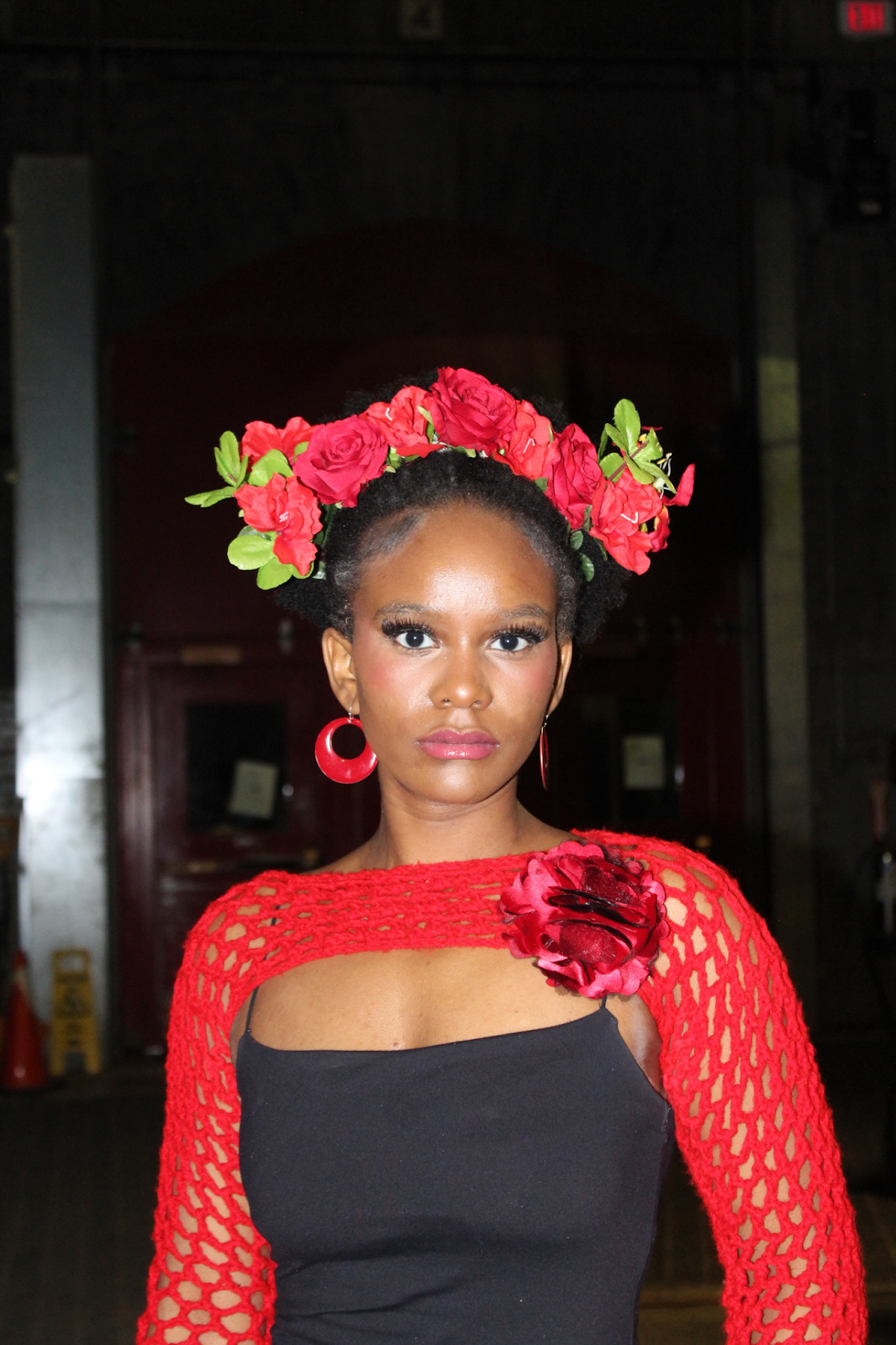
Goretti, despite her nerves, kept a smile on her face throughout the night as the time to display her collection approached.
“My line is based around the different life stages of a phoenix. Everything from its birth, where it's pure and white, to the wilderness around it, and then as it transforms into its fully developed self, where it has to undergo a reawakening or has to burn and fall from its ashes in order to be renewed,” Muriithi explained. “So with the theme of AFRIK being the reawakening, I thought this was a perfect segue into my own personal line because even as a designer myself, I feel like I've grown so much as a person, and in doing so, I also had to burn away the old pieces of me in order to become anew.”
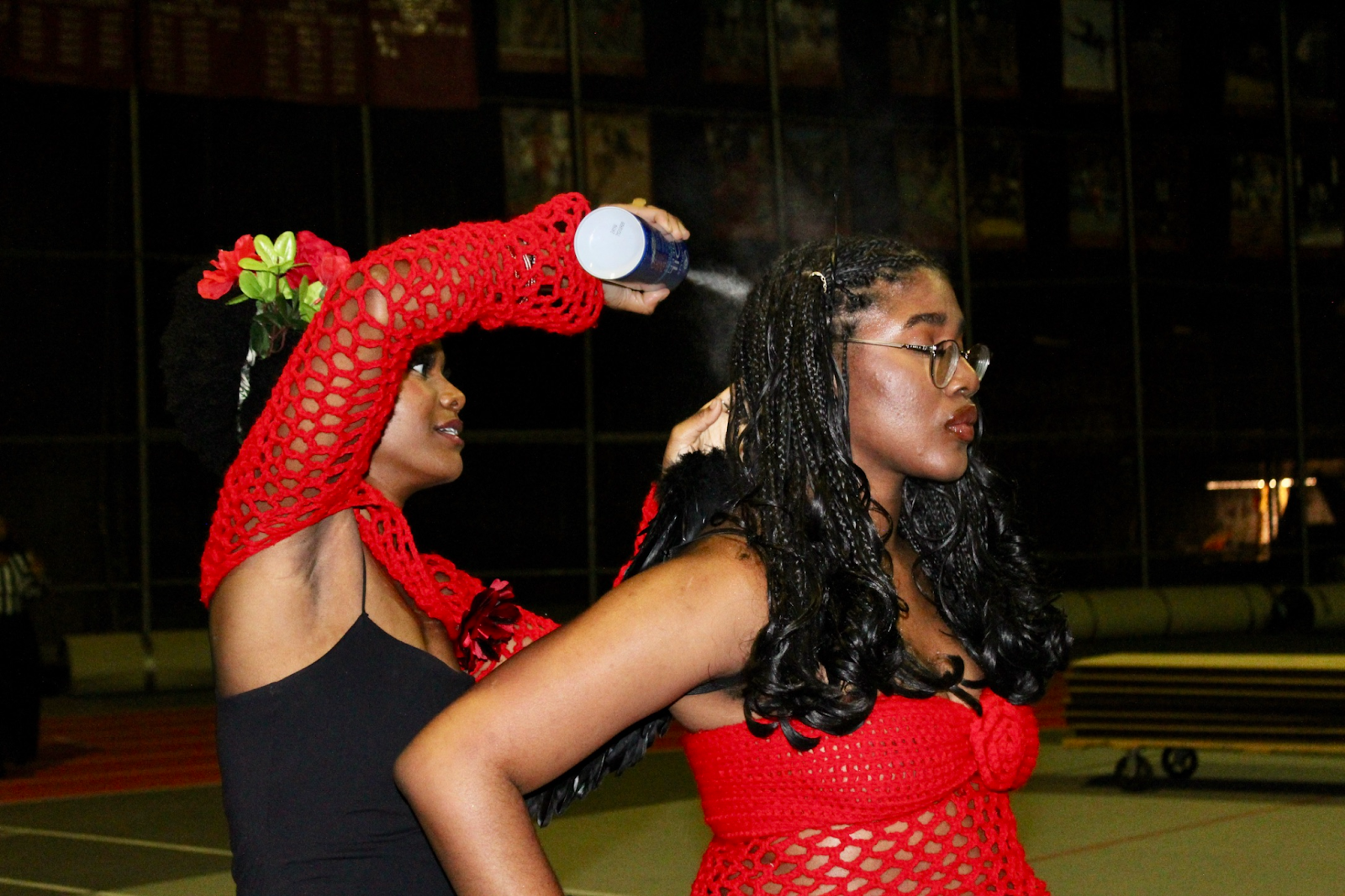
When it came time for Goretti’s line to come on stage, she had primped her models and adorned them in their respective crocheted outfits. Models wore angel wings as well as a number of crocheted items that ranged from gowns to two-pieces. As music pumped through speakers, Goretti’s interpretations of the life cycles of the mythological phoenix walked the runway. A white gown with angelic white wings transitioned into a two piece tinged with orange, before a third model walked out in a sharply red and black number.
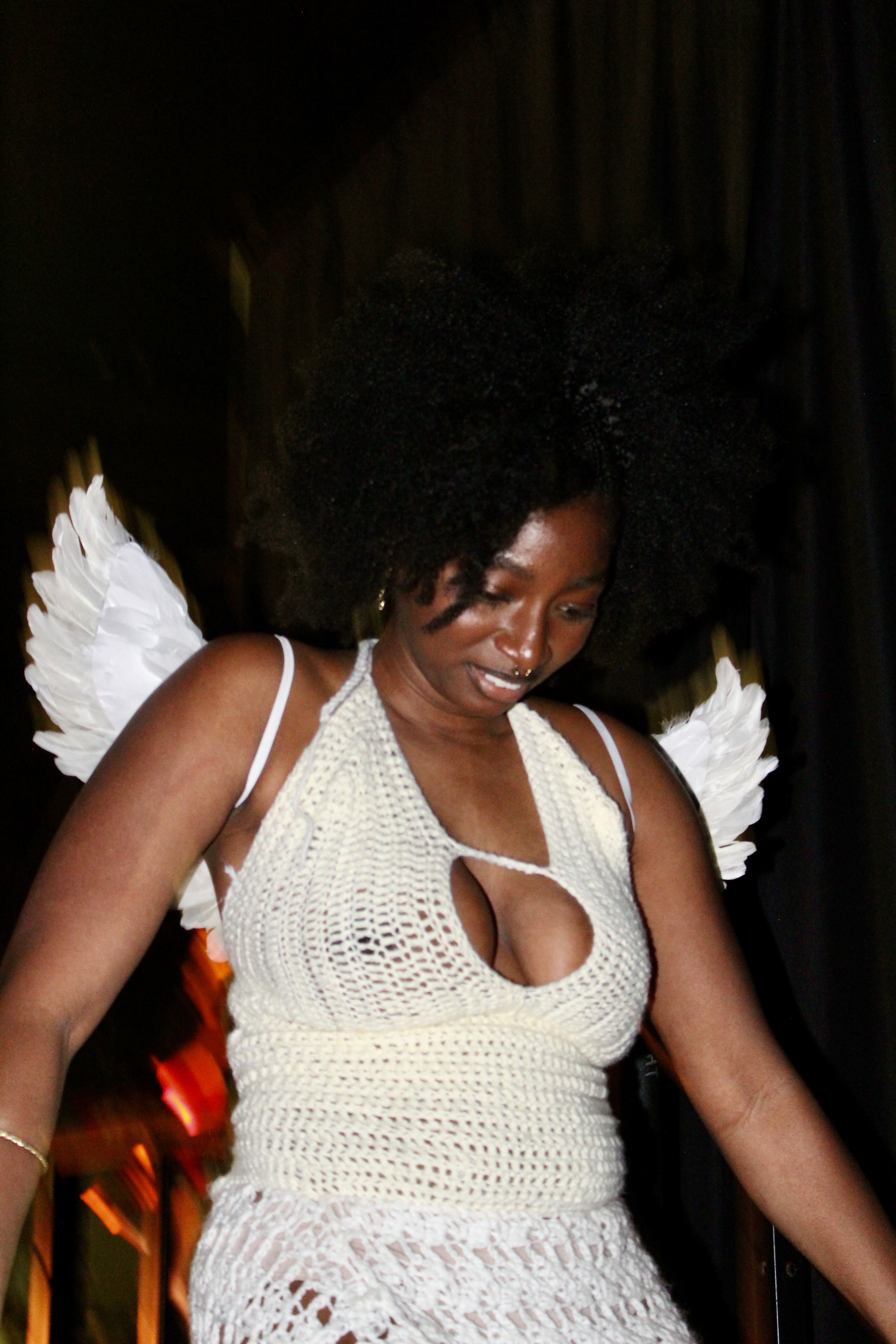
After the four models came off stage, Goretti clapped her hands together; her smile stretched ear-to-ear.
"Oh my God! I'm so pumped. My head is fuzzy with excitement. I think it's adrenaline. Um, I did it! That was my first ever fashion line… Um, oh my God. Let me calm down. Let me... I'm so happy... Like, it went, it was perfect.”
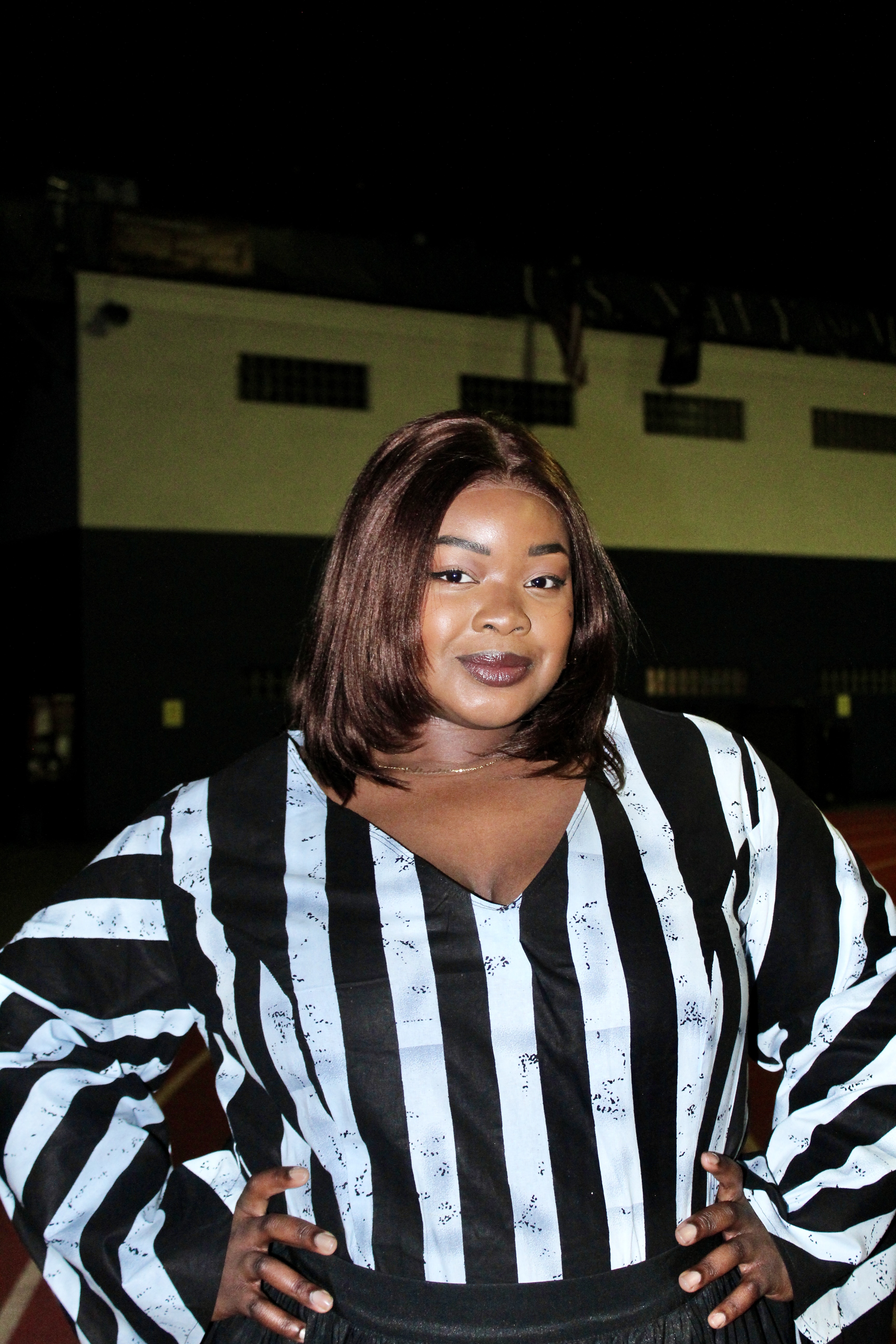
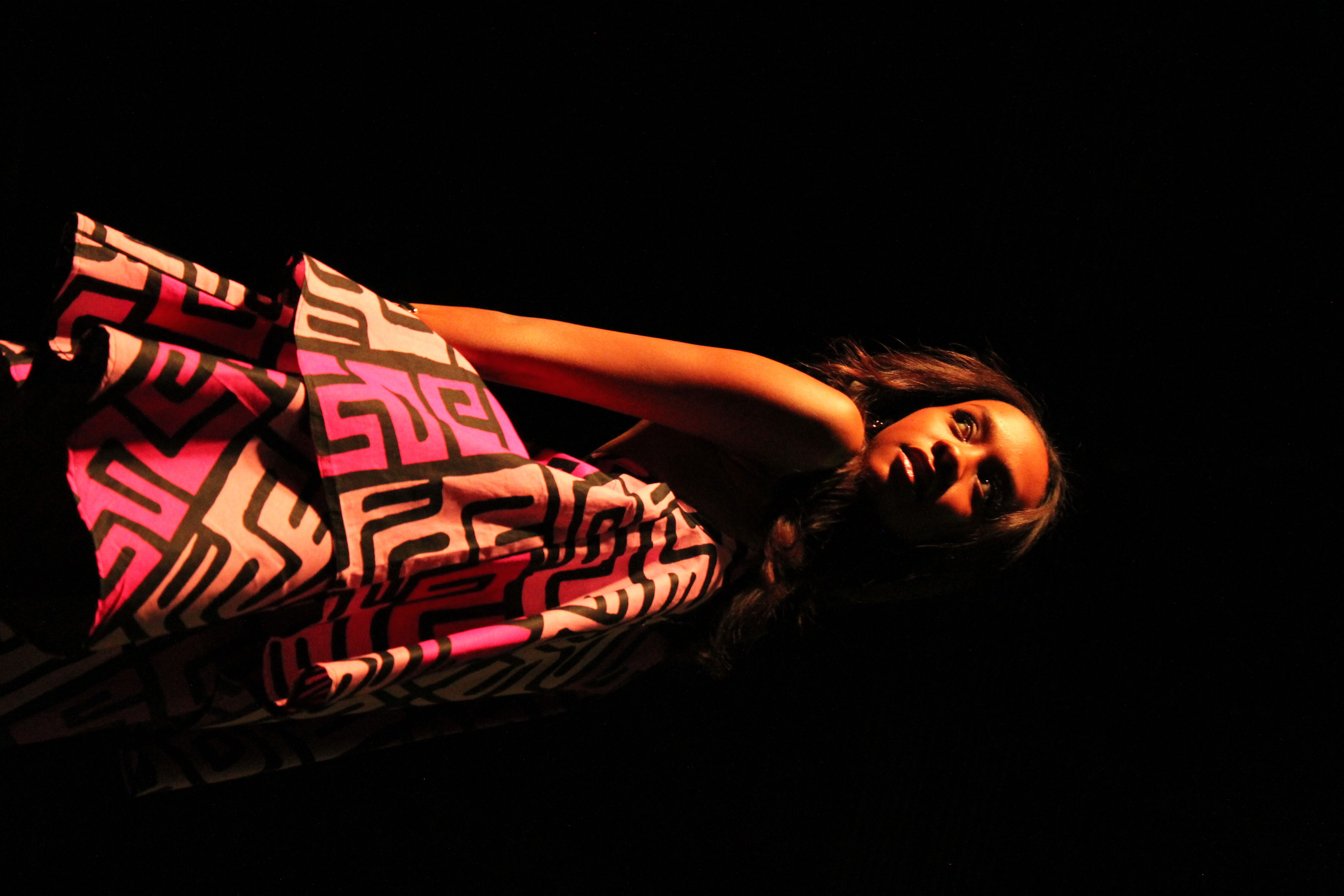
“The inspiration behind this collection was actually a dress I wore on my fifth birthday,” Ayoola explained. “I wore seven dresses on my fifth birthday, so I've always been extra. But my favorite one was this black and pink little tulle and satin number, and it just made me feel so free, so feminine. I loved the dress. It was just so girly, so I wanted to show how people can be girly in different ways and really carry the spirit of that dress.”
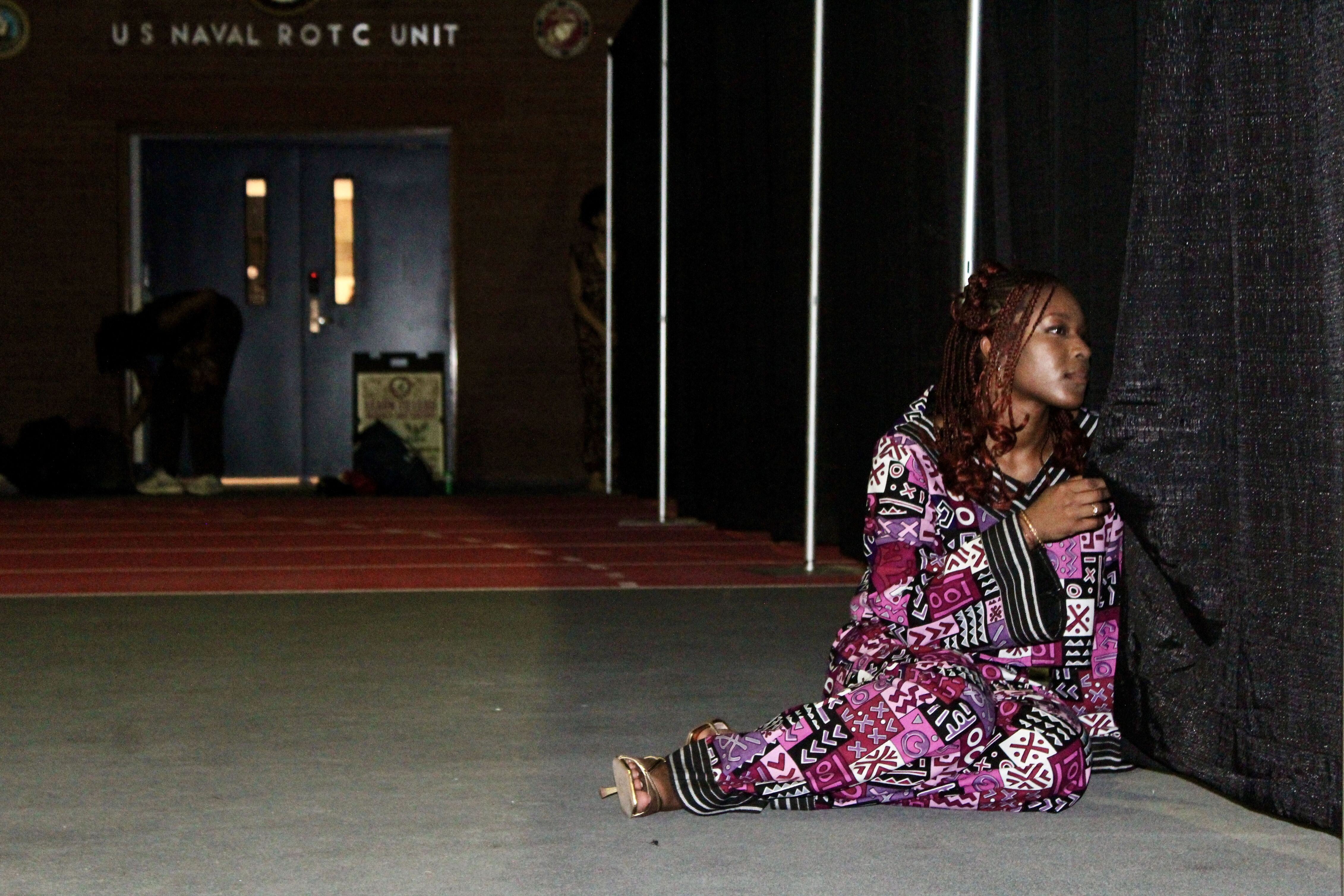
Ayoola’s collection consisted of a unique variety of looks, from sixties-silhouette gowns to sharply angled jackets. The collection’s ties to the Pan-African spirit of AFRIK literally wove its way into Ayoola’s clothing. Her collection was sewn with Ankara and Aso Oke fabrics, both staple fabrics in West African fashion.
“I really love a good sixties and seventies silhouette. I just feel like it's so fun. It's free. A lot of people can wear it and feel confident in it. Right now we're in a moment where everything is very tight and constricted… I wanted to show a variety of fun silhouettes to show that we can wear fun shapes, and fashion doesn't have to be so cookie cutter all the time.”
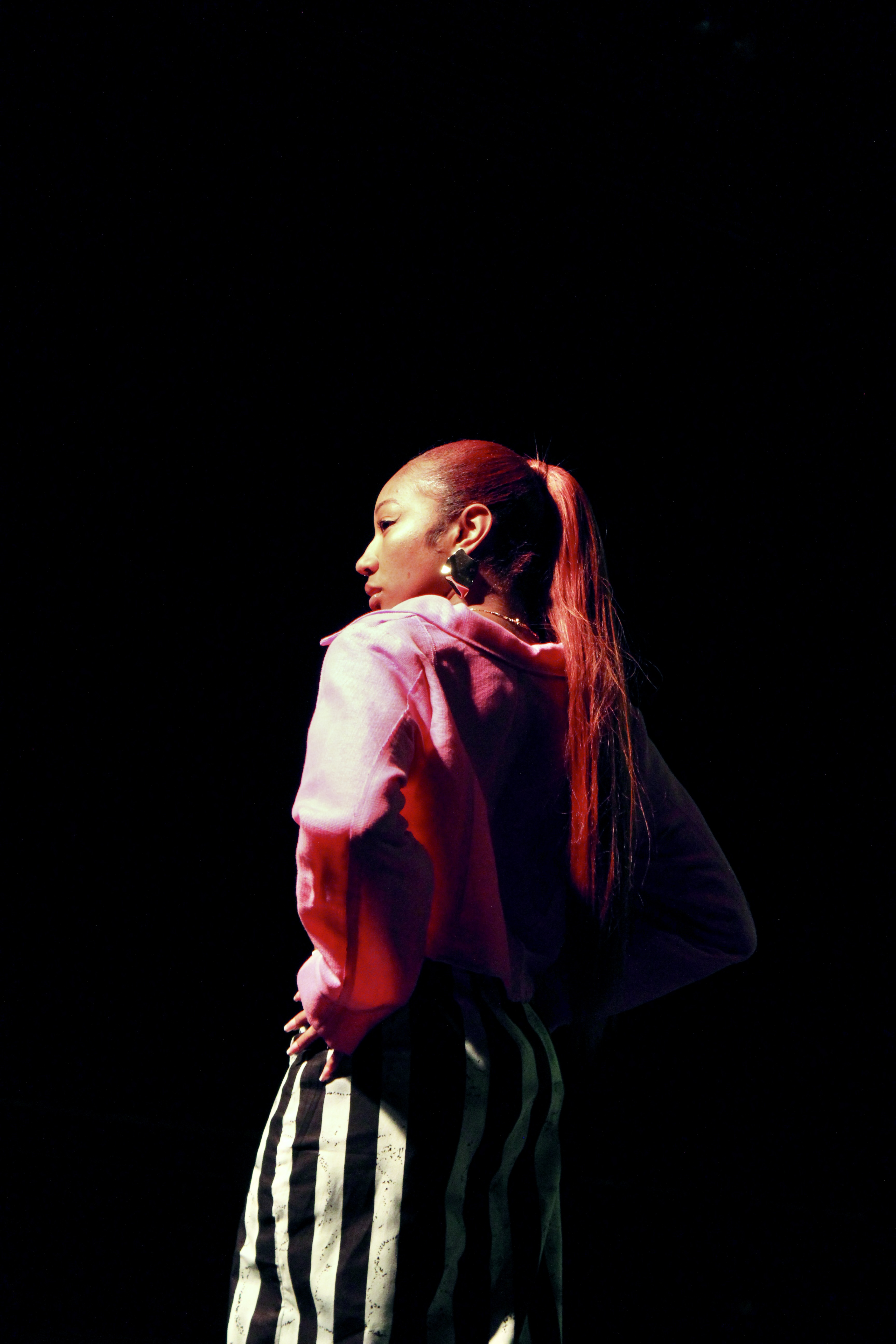
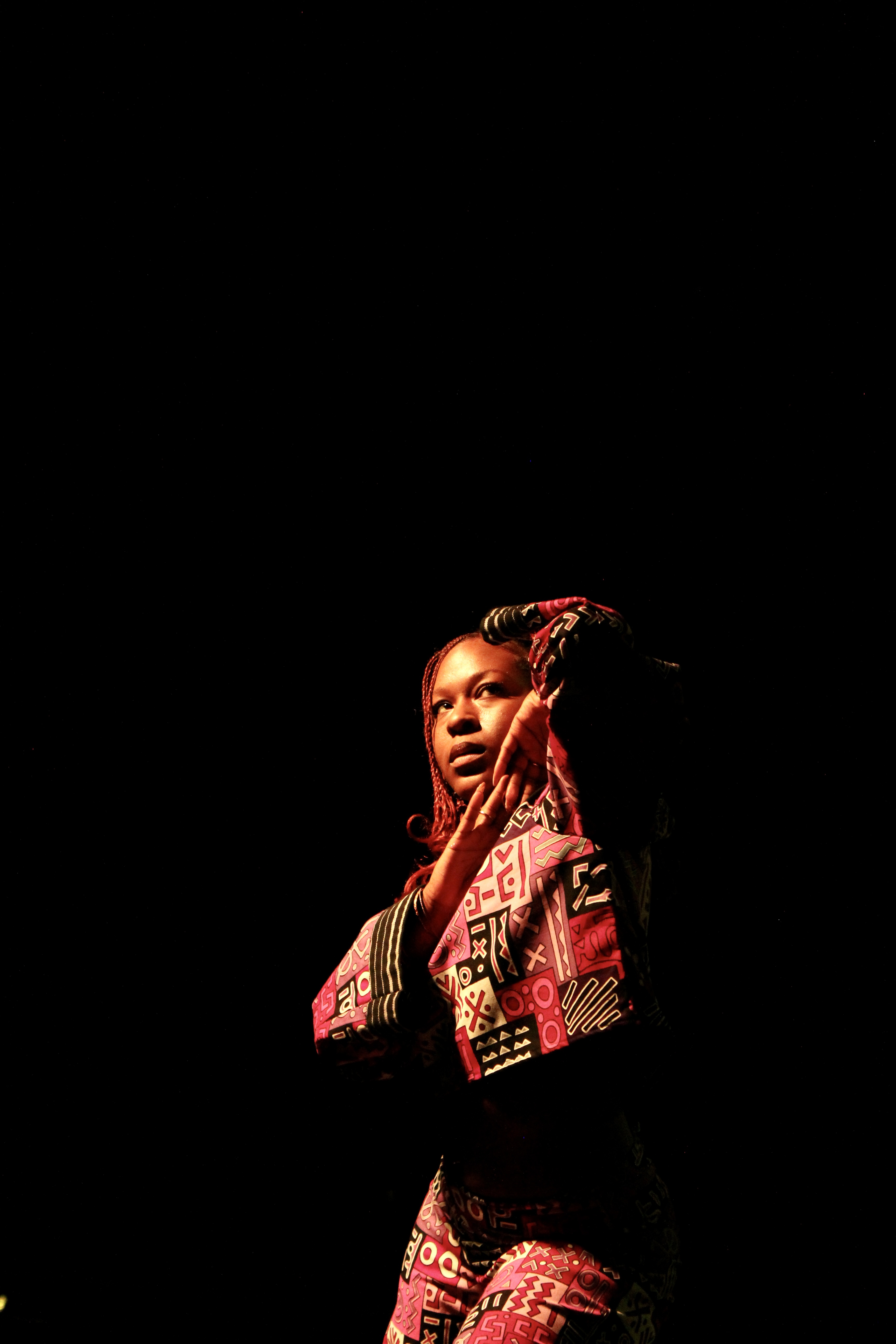
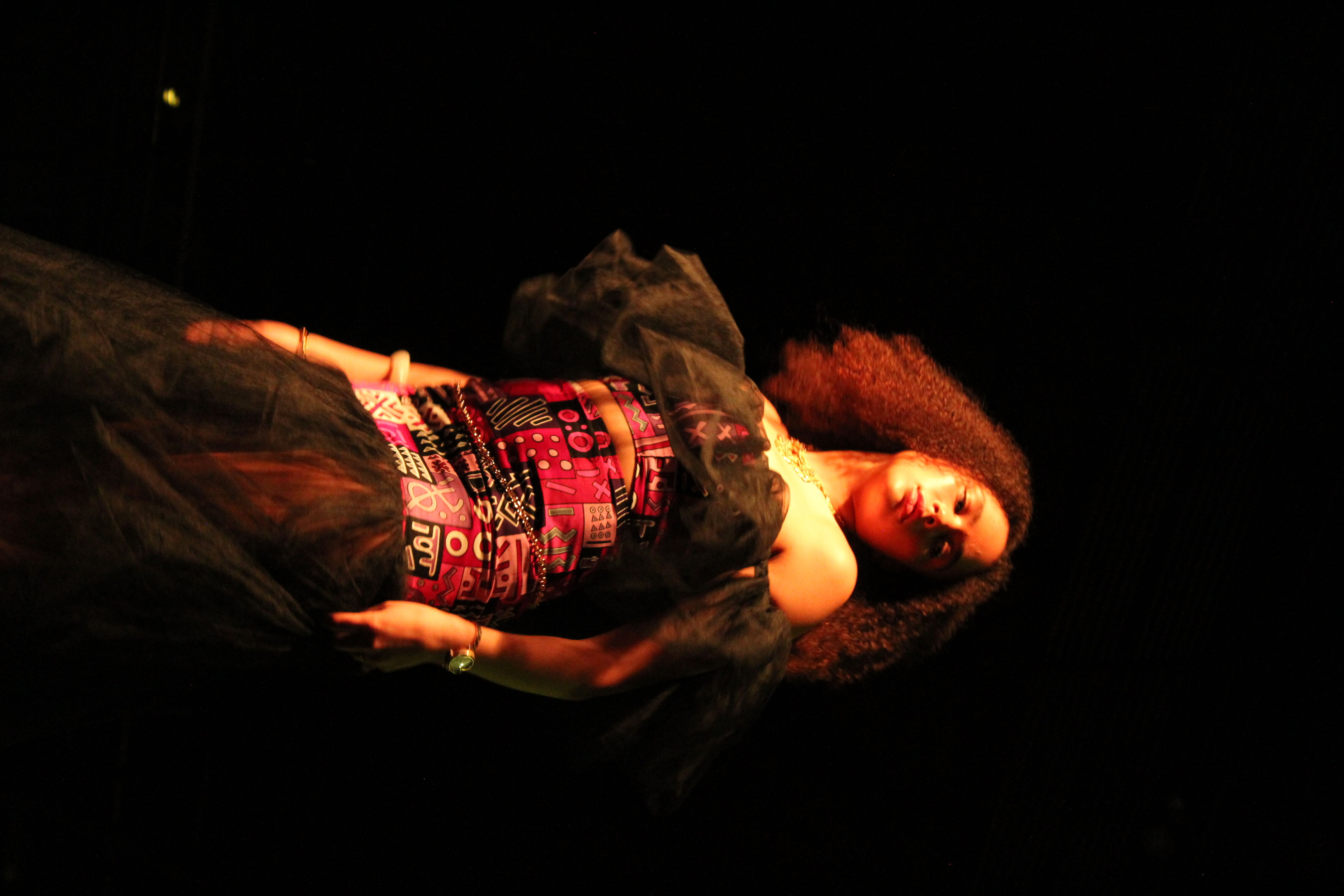
Ayoola’s background in fashion started when she was eight years old. “My mom signed me up for classes at JoAnn Fabrics, rest in peace.”
“I saved up for my first sewing machine when I was eleven years old,” she told me. “I would go to the library, check out books on sewing. I would watch YouTube videos on how to sew. I applied to Cornell for fashion design 'cause it's really what I plan to do in the future.”
As Ayoola’s models got ready for the stage, she looked over their garments fastidiously. Scissors met fabric for last minute adjustments, and despite the time-crunch, her cool demeanor never shifted.
In the most recently released Cornell admission data, Black students are officially rolled up into a category with Latinos, Hawaiians, Pacific Islanders, and Native Americans. Cornell is the only Ivy League to roll all of their underrepresented minorities into a singular category in their admissions data, making exact numbers for freshman classes following 2028 difficult to determine. According to data released about the Class of 2028—the first to be admitted following the Court’s decision—the number of Black students fell by about 34%. Cornell’s Black spaces have been hit hard by the affirmative action ruling. Many Black student organizations reported a sharp, sometimes existential drop in new membership.
Cornell’s Black community is an anomaly among peer institutions. Given the size of our campus population, Cornell’s Black population is far larger in quantity, leading to not only an ethnic diversity, but a diversity in academic and extracurricular communities. There is not a singular Black scene at Cornell, but instead a rich variety of scenes, whether they be journalistic, artistic, or musical. However, increasingly, I find myself the only Black student in the room. I am sure I am not the only Black student who looks around cafes, libraries, and classrooms, wondering if there are fewer of us around.
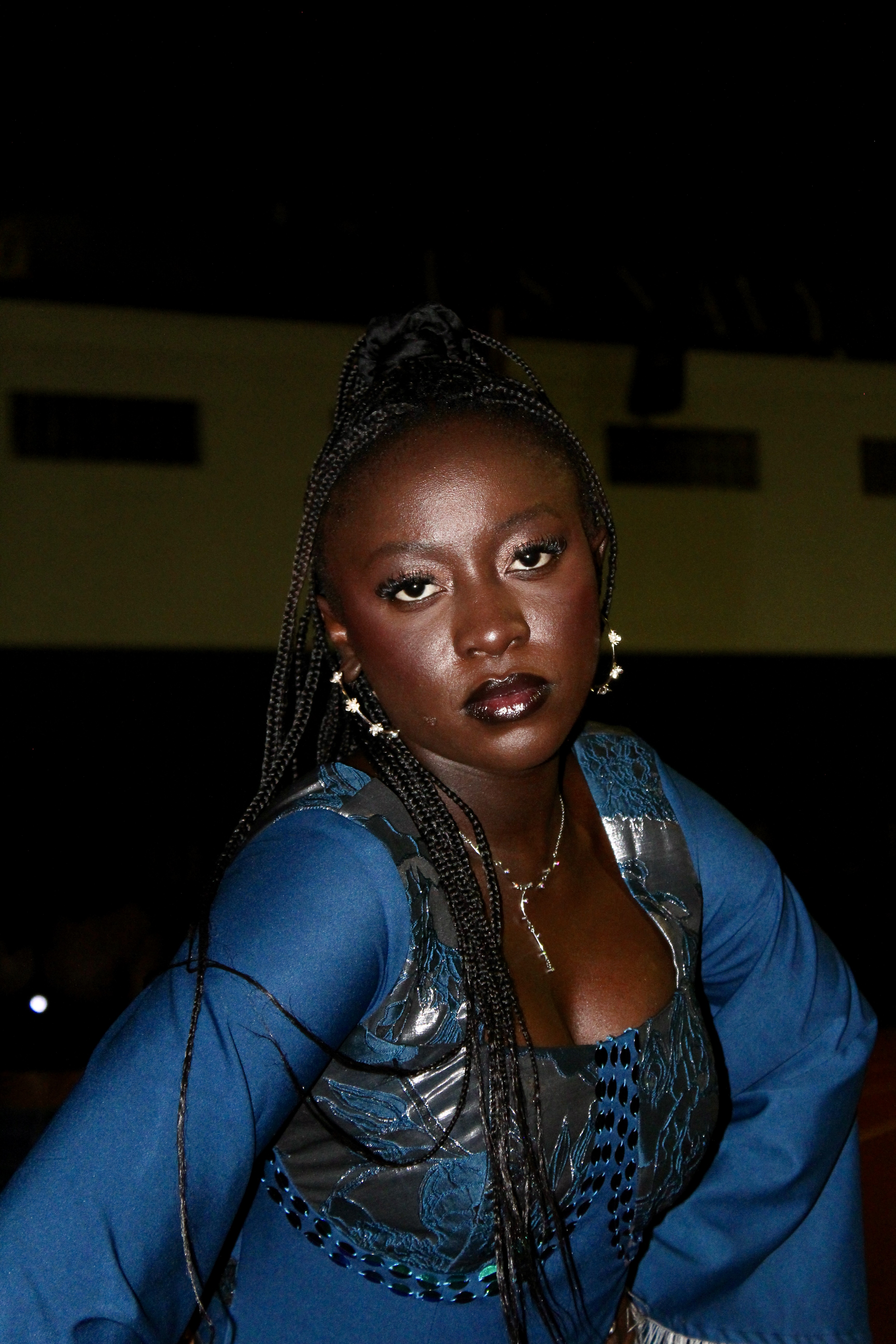
Ayoola, who is a member of the Class of 2028, told me, “As the only Black student in my year on the fashion design track, under the fashion design major, it's really trying at times because you're the only one in the room who looks like you,” she said. “It just drives me to work even harder to show that it is possible to do it.”
AFRIK holds a unique position as an event that is a simultaneous demonstration and culmination of the talent within Cornell’s Black community. For Black students in Cornell’s fashion scene, the chance to model for AFRIK is an opportunity to step into a space that is predominantly theirs.
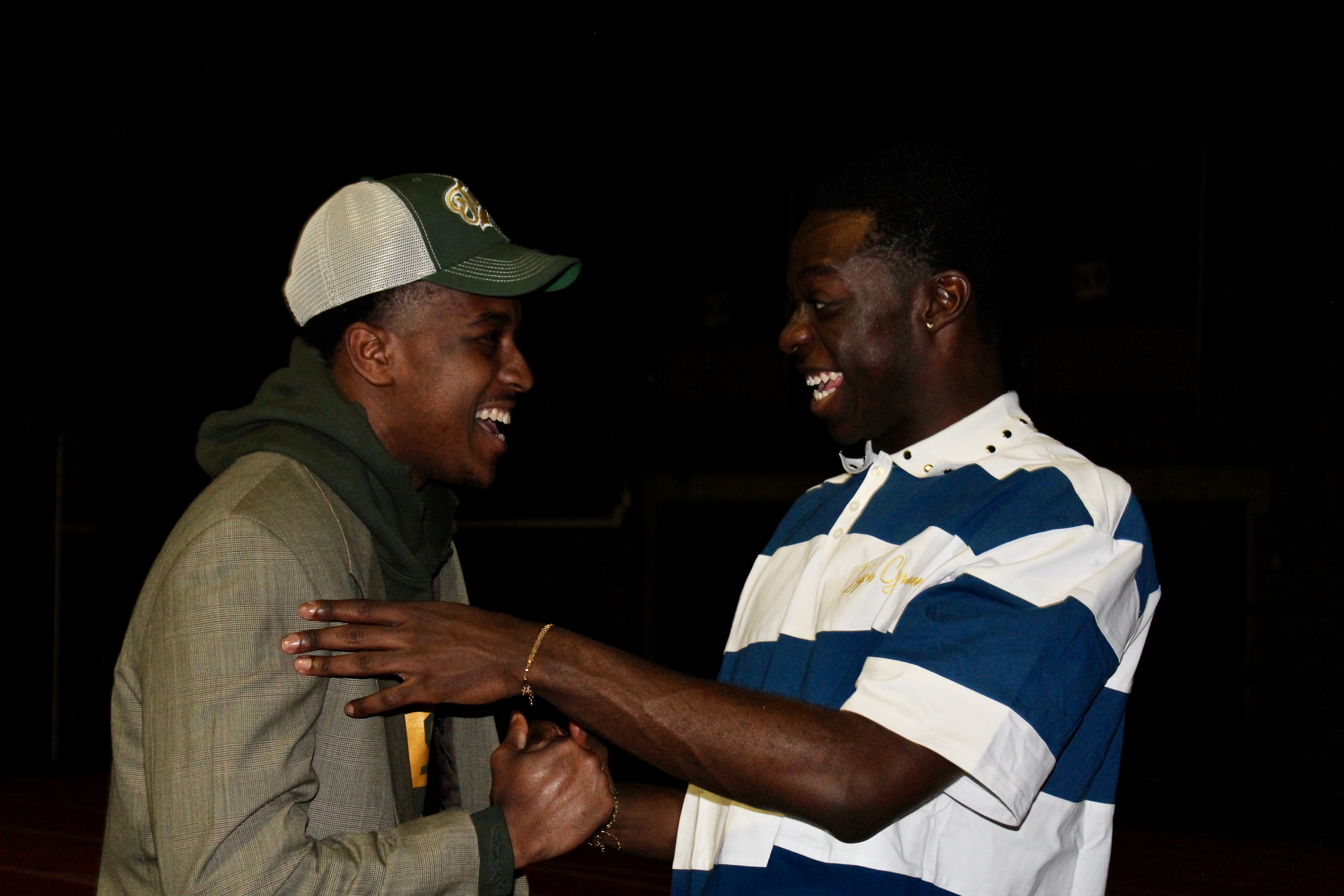
“I had a great time doing CFC [Cornell Fashion Collective, a student organization that puts on two shows a year], but I definitely feel a lot more at home modeling or being able to model for designers that look like me or grew up similar to how I did or share a similar background,” model Obi Njoku told me. “I think it's also super important to get their ideas out there because they're not typically advertised or given a chance to [have the] spotlight.
“I feel like I have to do things like this to bring the community together… to show that we can put on an event with this scale, this quality, I think is a statement in itself,” D’Abreau told me. “The numbers may be dwindling on paper, but we're still here. We're still here together and in a big group, and we'll come together when it matters.”